
Causes and Mitigation
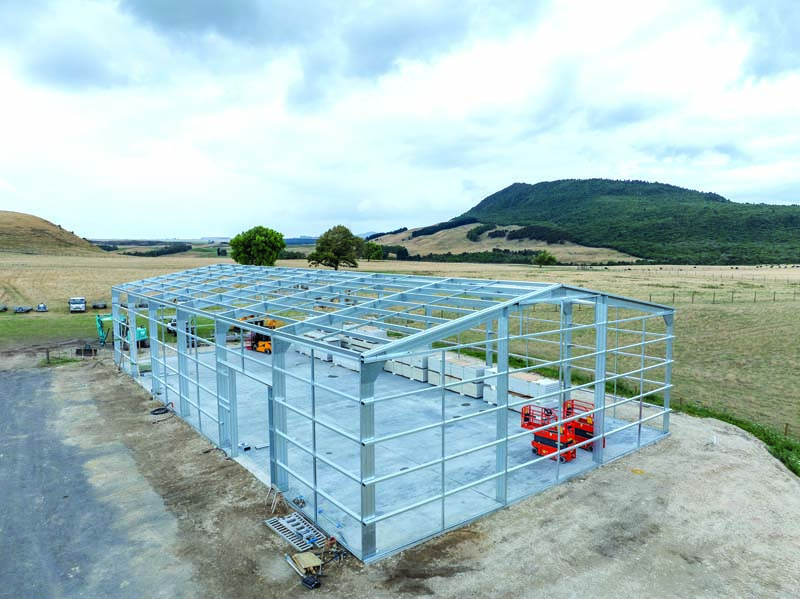
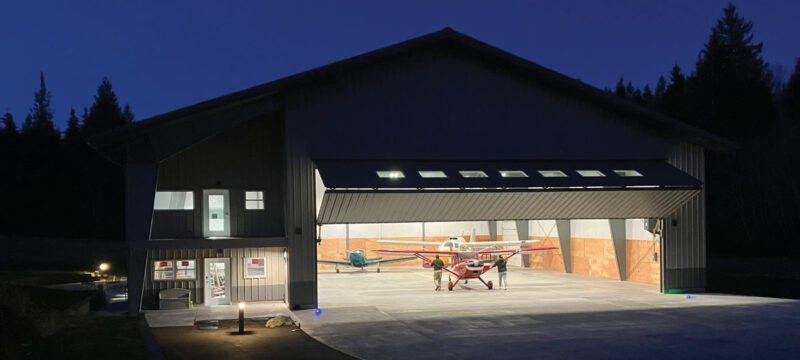
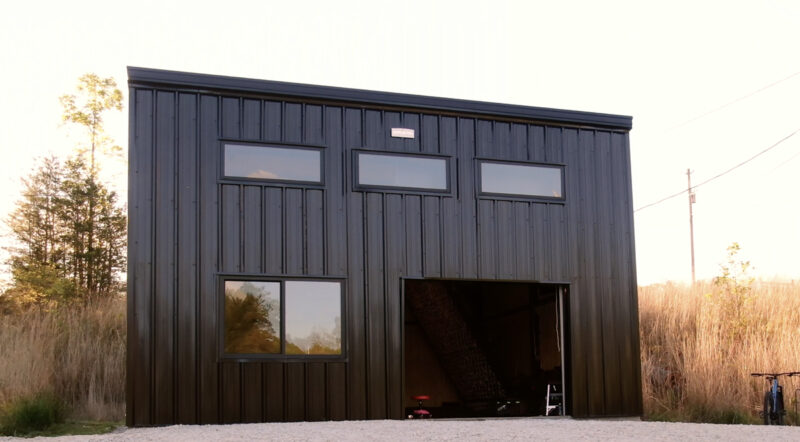
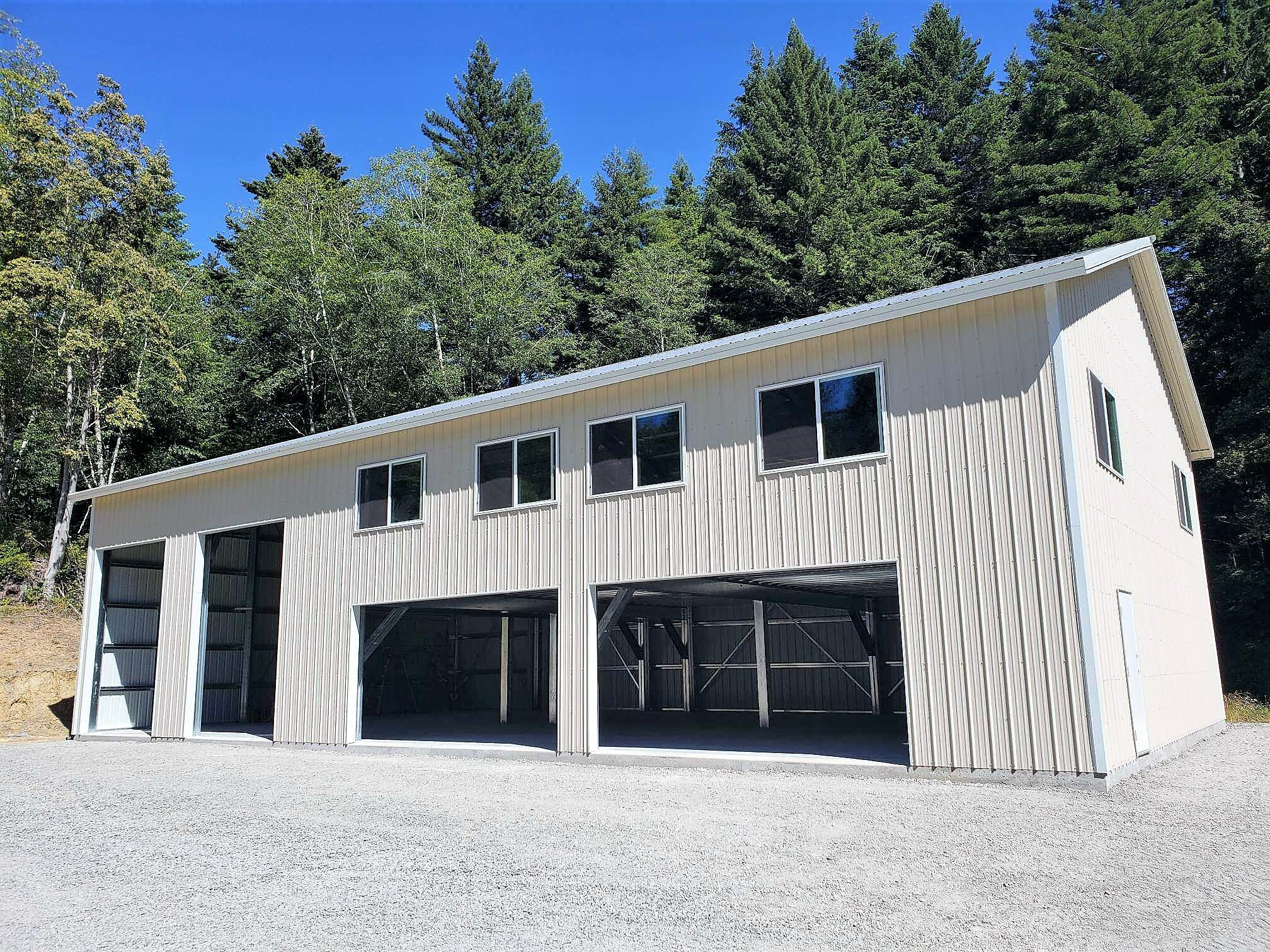
Cold-formed steel (CFS) buildings offer a strong, efficient and durable solution for a wide range of applications. With the right design strategy, they can also deliver outstanding energy performance. One of the most important design considerations for cold-formed structures is thermal bridging — an issue that’s easily addressed with modern building practices and insulation technology.
What Is Thermal Bridging?
Thermal bridging occurs when heat travels through more conductive materials, bypassing insulation and reducing energy efficiency. Because steel is more thermally conductive than wood, CFS buildings require a different approach to insulation — but that doesn’t mean performance is compromised. In fact, when paired with continuous insulation and smart construction techniques, CFS buildings can meet or exceed energy efficiency targets.
“Today’s cold-formed systems are engineered to minimize thermal bridging without sacrificing speed or simplicity,” said Tori Smejkal, product marketing director at Cornerstone Building Brands. “Their lightweight framing and advanced design software available through modern solutions like Hypersteel™ cold-formed buildings allows builders to plan and assemble energy-smart structures quickly and confidently.”

Causes of Thermal Bridging
High Thermal Conductivity of Steel
Steel naturally transfers heat more easily than materials like wood. That’s why CFS buildings benefit from insulation strategies tailored to their strengths — including exterior continuous insulation and thermally broken connection details.
CFS Vs. Wood: A Dimensional Comparison
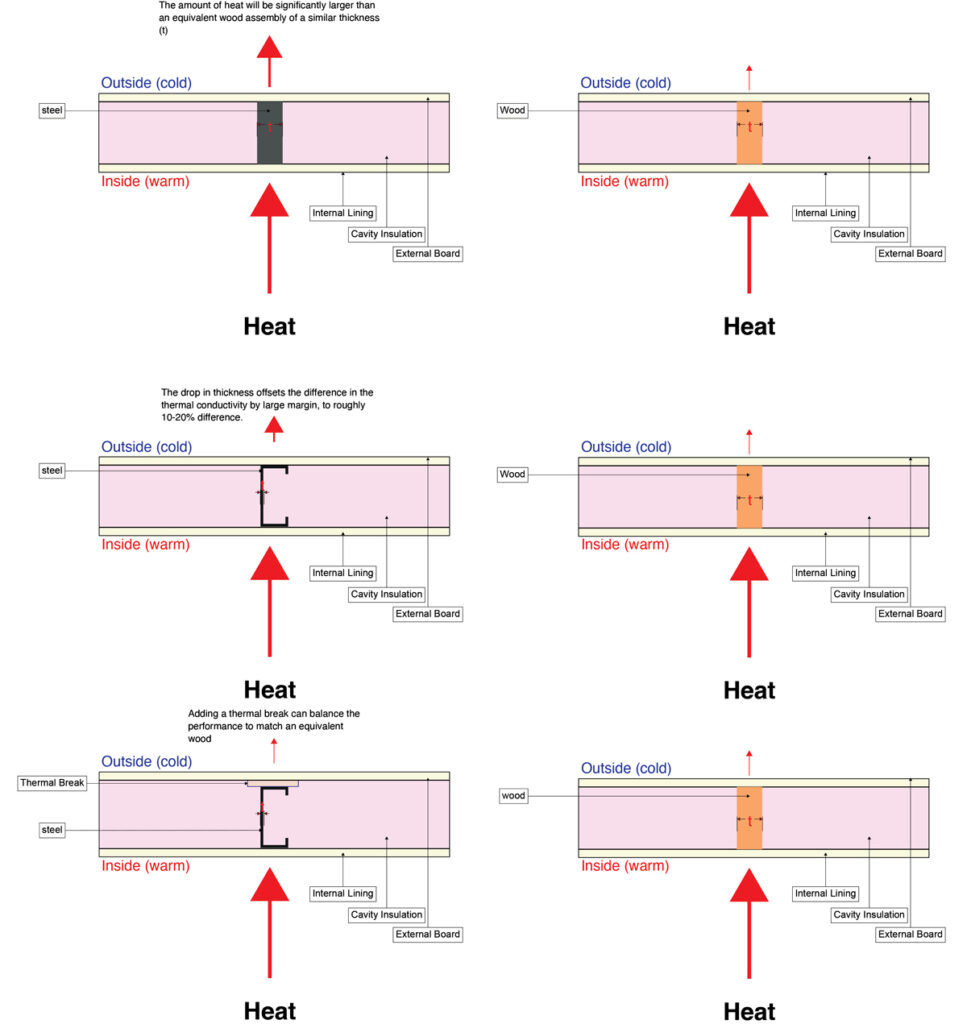
This is illustrated in the diagram above.
According to FRAMECAD, a pioneer in the steel framing industry that produces CFS design and engineering software and roll-forming equipment, steel is 300 to 400 times more thermally conductive than wood material, for the same dimensions(i.e. thickness).
Nevertheless, given the great strength-to-weight ratio of CFS profiles compared to wood sections, CFS studs are usually formed with very
thin thicknesses, which drops that difference significantly to roughly 20% to 30% of heat between wood and CFS structures.
Improper or Incomplete Insulation
In any building, insulation is key — but in CFS construction, it’s especially important to use the right type and install it correctly. Even small gaps can reduce the effectiveness of the thermal envelope. Improper or Incomplete Insulation
Structural Penetrations and Components
Fasteners, framing members, and utility penetrations can unintentionally carry heat through insulation areas. CFS buildings help mitigate this with streamlined detailing and factory-formed components that support precise, energy-conscious installation.
Building Envelope Connections
Where different building surfaces meet — such as wall-to-roof or slab-to-wall connections — gaps in insulation can occur. Careful attention to detail can help prevent unwanted heat loss by identifying these critical areas and specifying materials to break thermal continuity.
Cladding and Attachments
Exterior cladding support systems like clips and girts can become thermal bridges if not properly isolated. The right design uses thermally broken attachment methods to maintain continuous insulation coverage.
Construction Errors
Omitting insulation or thermal breaks — or leaving gaps during construction can lead to unintended bridging. “The construction process is critical,” said Smejkal. “A solution that offers end-to-end support, intuitive software and high-quality materials like Hypersteel™ cold-formed buildings makes it easier for contractors to get the information they need to get the details right.”
Proven Mitigation Strategies
Continuous Insulation
Exterior continuous insulation (CI) is one of the most effective ways to reduce thermal bridging in CFS buildings. By wrapping the structure in a layer of insulation — using materials such as expanded polystyrene (EPS), extruded polystyrene (XPS), graphite polystyrene (GPS) or polyiso — builders create a consistent barrier to heat flow. Most cold-formed buildings are designed to accommodate CI with ease, supporting efficient energy performance across every project.
In instances when energy demands are less critical, compressible insulation can also be highly effective in addressing energy efficiency needs.
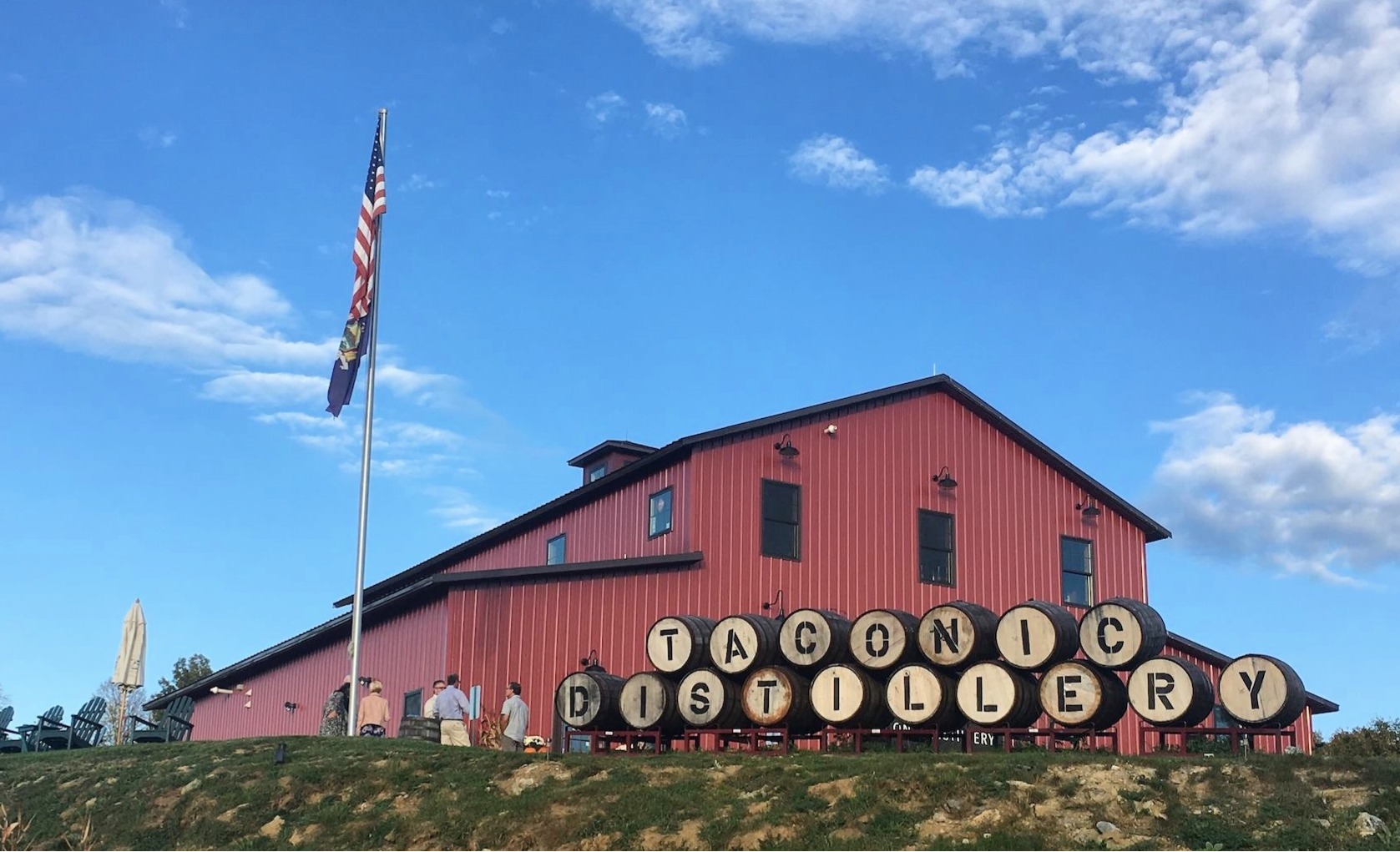
IMAGE COURTESY OF CORNERSTONE BUILDING BRANDS
Thermal Breaks
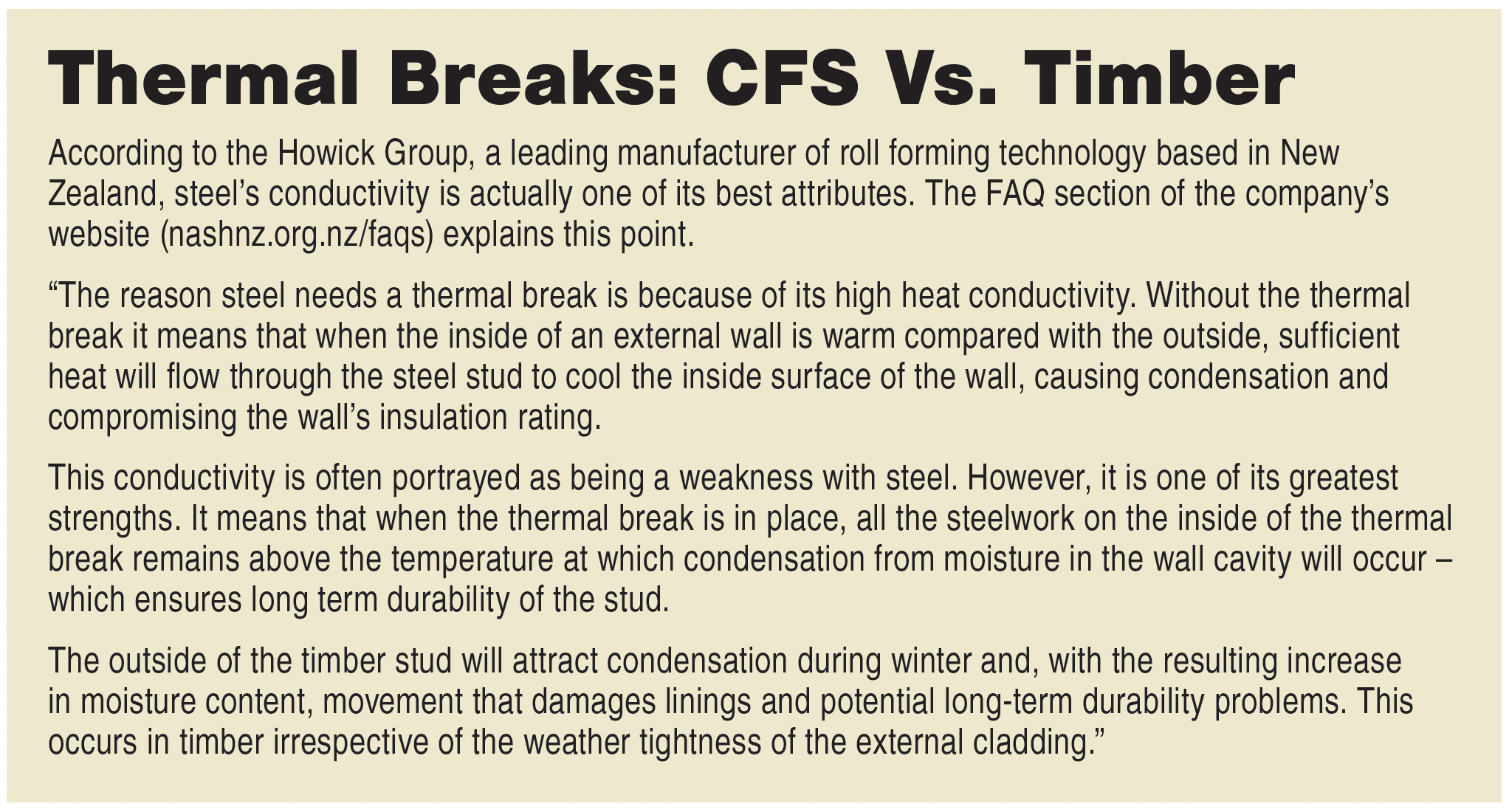
In addition to CI, thermal breaks are used at key structural connection points to reduce energy loss. These include thermal strips, shims, or slotted studs that reduce the amount of metal in contact with heat-exposed surfaces. Engineered solutions are available for applications where bridging must be minimized without compromising strength.
Additional Benefits of Mitigating Thermal Bridging
Lower Energy Bills
By reducing heat loss, CFS buildings help owners save on heating and cooling costs year-round — adding long-term value with every build.
Less Condensation, Less Mold
Temperature stability reduces the risk of condensation inside wall cavities, helping prevent moisture damage, mold, and insulation failure.
Improved Durability
Controlling condensation also protects against corrosion. CFS frames are built to last, with proper insulation extending their longevity even further.
Conclusion
When CFS buildings are designed to mitigate thermal bridging and paired with proper insulation, they deliver a reliable, energy-efficient structure. CFS buildings offer a higher strength-to-weight ratio and greater consistency of material when compared with wood, which has knots, varying moisture, variable grain, and variation within each piece.
CFS is an excellent overall choice for many building applications. Its lasting durability, design flexibility, installation efficiencies, and potential insurance savings, as well as its resistance to fire, rot, and pests, help ensure long-term value. MB