
The design-build model has increasingly become the preferred method for residential single-family construction in the cold-formed steel (CFS) building sector. Combining design and construction services under a single contract streamlines communication, reduces project timeframes, and often leads to fewer cost overruns. Yet, despite its efficiencies, the process is not immune to common bottlenecks that can stall momentum or inflate budgets. The following are 10 critical steps in the design build process highlighting best practices and warning signs that CFS builders should recognize to keep projects running smoothly.
1. Initial Consultation and Feasibility Assessment
The process begins with a conversation. Builders meet with the homeowner or developer to understand their vision, goals, and budget constraints. At this stage, builders assess the feasibility of the project — both structurally and financially.
Bottleneck: Misaligned Expectations
According to Johnny Lordi, Business Development and Partnerships Specialist at WellDone1KitHomes, with CFS, customers sometimes have a fear of the unknown and make incorrect assumptions, and that can cause a bit of roadblock. They’re familiar with wood, but “as soon as they think steel, they think welding,” Lordi said. Simply explaining to them that CFS uses screws can clear up that misconception quickly. Clients also may have also been told that steel retains heat and cold, so they’re leery of thermal bridging. They just need to know that there are effective thermal breaks to overcome the bridging. With those misunderstandings out of the way, it’s easier to move forward with the planning.
Also, If the customer’s vision exceeds their budget or site conditions limit build options, issues can surface later. It’s crucial to be honest early and provide realistic parameters. For example, significant preliminary work might need to be done before any construction can begin. The cost of clearing heavily wooded areas can be far more expensive than homeowners realize.
A high water table will likely require special drainage systems or sump pumps, and power or water lines might need to be extended or well and septic systems dug. These are all potential costs that should be discussed before proceeding to the next step in case enough obvious concerns arise at the discussion stage to prevent the project from moving forward.
2. Site Evaluation and Surveying
Once feasibility is established, the builder, often with a civil engineer or surveyor, performs a detailed evaluation of the site. This includes soil testing, topography, access, utilities, and local zoning restrictions.
Bottleneck: Undiscovered Site Complications
Inadequate due diligence on utilities, setbacks, or soil conditions can result in costly design changes. Builders should ensure all site variables are fully understood before proceeding.
Zoning can be complicated because of vague or conflicting information. It’s important to clarify any questions with local officials. There may be specific classifications, variances, or exceptions that apply to tracts within a general area. Certain environmental or historic restrictions could apply to the property that aren’t obvious without researching them in detail. It may be worthwhile to hire a land-use attorney to ensure compliance.
Also, clients don’t always understand how zoning can impact their plans. For example, customers living within city limits don’t realize that they can’t always build a home as big as they want. Frank Padilla of Callahan Steel Buildings said, “Sometimes people have a half-acre and they want to build a 5,000 square foot home, but they can’t because of city codes. Outside the city limits, an unrealistic budget can be an issue. A lot of folks haven’t put much planning into their project. For example, they haven’t considered the cost of their septic system.”

goodluz-stock.Adobe.com
Natchooda-stock.Adobe.com
3. Preliminary Design and Budget Proposal
With the client’s goals and site data in hand, the design team creates a preliminary plan. At this point, floor plans, elevations, and schematic drawings are created along with a ballpark budget estimate.
Bottleneck: Scope Creep
As homeowners review preliminary designs, they may request features outside the original budget, such as adding more square feet. It’s crucial for builders to document these changes and update budgets in real-time to prevent margin erosion. This involves creating a formal, written cost estimate for each proposed change as well as any changes that need to be made to the overall project schedule.
Change orders should follow a well-defined and documented process for submitting, reviewing, and approving changes. All stakeholders must be kept up to date with the changes as well as their impact on the project schedule.
4. Engineering and Detailed Design
Once preliminary plans are approved, full construction drawings are developed, including structural engineering, mechanical systems, electrical plans, and specifications for finishes. This step also involves collaboration with metal building manufacturers if pre-engineered systems are being used.
Bottleneck: Engineering Delays
Especially with engineered metal building systems, waiting for stamped drawings or design revisions can delay permit submission and fabrication. Builders should coordinate closely with suppliers and ensure timelines for engineered components are clear. This requires regular communication with designated contacts on each side. Material specs should be defined in detail and status updates shared promptly.
5. Permitting and Approvals
Builders must now secure building permits and ensure all plans meet state, local, and sometimes HOA requirements. Depending on jurisdiction, this may include stormwater, erosion control, septic, or energy code documentation.
Bottleneck: Permit Office Delays or Rejections
Incomplete or non-compliant plans can lead to rejection or months-long delays. Having a team member familiar with local permitting processes is essential to keep this stage on track. Developing a good working relationship with local officials early in the project will help streamline the steps.
6. Final Pricing and Contract Execution
With engineered plans and permit approvals in hand, a final price is calculated. This price should include materials, labor, equipment rentals, and contingency funds. The contract is signed at this stage, locking in terms and payment schedules.
Bottleneck: Pricing Volatility in Metal Components
Given the market fluctuations in steel, some builders hesitate to lock in pricing. Builders may consider clauses for material surcharges or work with suppliers offering guaranteed pricing windows.
7. Procurement and Scheduling
Once under contract, materials are ordered, subcontractors scheduled, and a project timeline is finalized. For CFS builders, this step includes ordering building kits, trusses, metal roofing, and custom components.
Bottleneck: Long Lead Times on Key Materials
Metal panels, windows, or truss packages often carry longer lead times than dimensional lumber. Accurate forecasting and buffer periods are essential to avoid job site standstills.
According to Padilla, Callahan Steel Buildings hasn’t seen much of a problem with manufacturer lead times. However, they have experienced occasional delays with transportation because of equipment breakdowns and driver shortages.
8. Site Preparation and Foundation Work
Construction officially begins with grading, excavation, and foundation work — whether that’s a slab, pier system, or basement. Utility stub-ins may also occur at this stage.
Bottleneck: Foundation Misalignment with Building Package
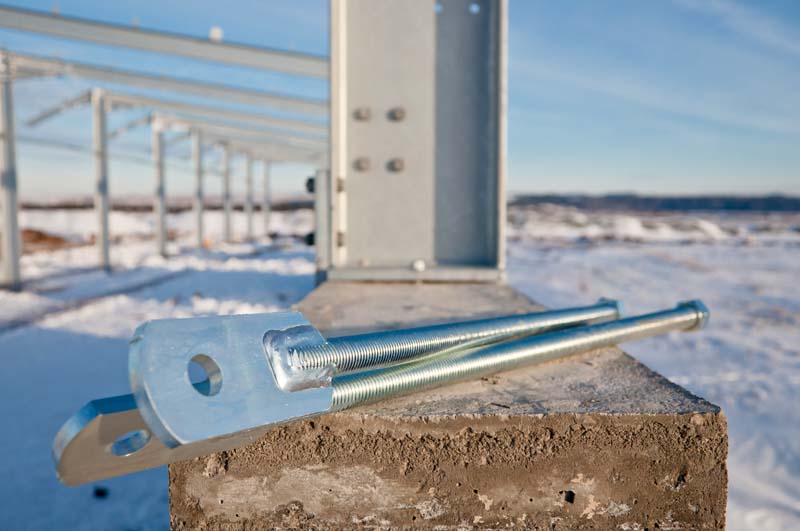
Metal buildings require precise anchor bolt placement. Errors in foundation layout can result in expensive delays or field fabrication. Using anchor bolt templates and double-checking dimensions against the building supplier’s drawings is critical.
9. Shell Construction and Building Assembly
Once the foundation is complete and materials have arrived, builders begin erecting the structure — framing, roofing, siding, and structural components. This phase is often the most visible to the customer and moves quickly when well-coordinated.
Bottleneck: Weather and Crew Scheduling
Rain, snow, or extreme temperatures can halt work and disrupt coordination among crews. Builders should build contingency days into their schedules and maintain communication with subcontractors to adjust efficiently.
In some areas, weather can be a bigger issue than in others. For example, there are areas with heavy clay soil, which can become saturated and unstable when wet. A heavy rain can prevent truck access to a job site, which can delay the job and cause a cascading series of delays down the line.
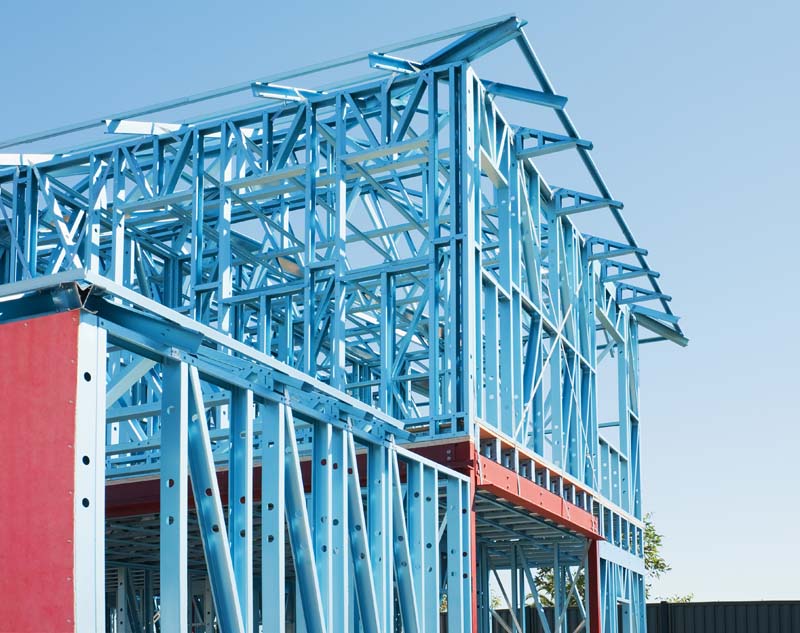
CFS framing can help reduce vulnerability to weather significantly, however, because it can go up much quicker than wood framing, Lordi explained. “With CFS, you can get up to 1,000 square feet framed up in a day, whereas it could take four or five days with wood.” That means the building can be dried in faster. Once that’s done, work can progress inside with no concerns about the weather.
10. Interior Buildout and Final Inspections
With the shell up, interior work begins: insulation, HVAC, electrical, plumbing, drywall, finishes, and fixtures. Upon completion, the builder schedules final inspections and obtains the certificate of occupancy (CO).
Bottleneck: Lack of Familiarity with CFS, Subcontractor Overlap, and Inspection Failures
When finish subcontractors haven’t worked with CFS before, that will slow down the job because of the learning curve. They need to learn how to work with steel framing. The tools they use will be different.
Another bottleneck can occur if work is done out of order. When trades overlap without coordination — such as drywallers starting before electricians finish — rework and delays result.
Similarly, failing inspections due to missed details (like smoke detector placement or stair rail height) can delay occupancy.
Conclusion
The design-build process offers a streamlined approach for residential CFS builders, allowing for better communication, accountability, and customer satisfaction. But the efficiencies it promises rely on disciplined planning and proactive mitigation of common bottlenecks.
By breaking the process into these 10 structured steps and understanding the hurdles at each stage, builders can deliver quality homes on time and on budget — even in a challenging construction environment. MB