
Originally Published as: Beyond the Bones: Cosmetic Accessories and Components That Finish the Job
Structural steel gets a building standing. Trim, fasteners, roof accents, and color details get it noticed—and that’s where builders can add real margin.
A metal building’s frame, panels, and fasteners do the heavy lifting. Still, the details a customer points to when they show off a new building — crisp trim lines, a color-matched fastener head, a snow guard that looks intentional instead of bolted-on — separate a commodity structure from one the owner brags about. For builders, cosmetic accessories and components are also where a modest line-item investment can translate into a noticeably higher perceived value, fewer callbacks over color mismatches, and a stronger portfolio of finished projects to show the next customer.
None of this is new information to anyone who has stood in front of a customer holding two nearly identical paint chips. What has changed is how much choice is now available in the accessory categories that used to be an afterthought: trim, fasteners, roof accents, and touch-up systems. Here’s a look at where the cosmetic end of the metal building business is headed, and who’s supplying it.
Trim and Flashing: The Roll-Formed Detail
Trim is the connective tissue of a metal building’s exterior — it’s what makes eave lines, corners, and door and window openings look finished rather than improvised. Because trim is typically produced from painted coil to match or complement a building’s panel color, the equipment used to form it directly shapes how clean, tight, and consistent the finished profile looks on the wall.
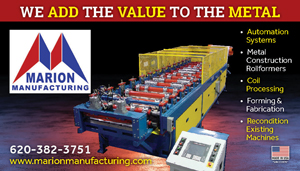
Marion Manufacturing, a roll-forming equipment builder with more than 45 years in the industry, produces trim roll formers that can run up to five profiles from a single frame, with edge-hemming models designed to eliminate cracking at the hem and hold consistent widths from a quarter inch to a half inch. That kind of tooling precision lets a rollforming shop or manufacturer produce trim that lines up cleanly at every seam, gauge after gauge, coil after coil — the unglamorous manufacturing step behind a building’s glamorous curb appeal.
Fasteners That Disappear Into the Panel
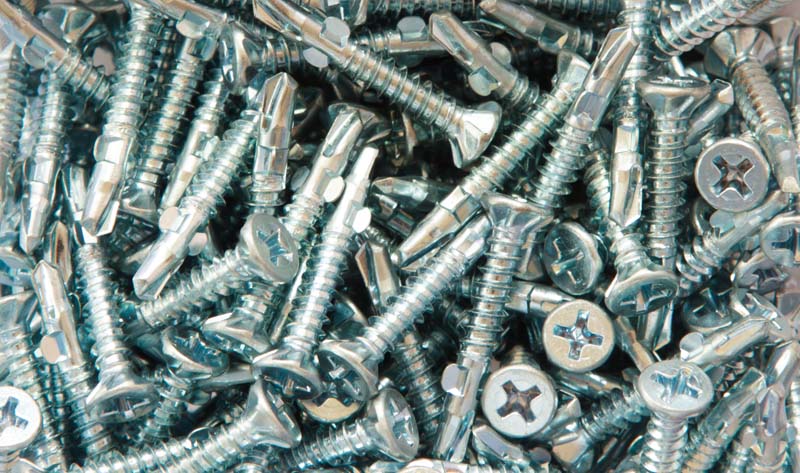
Few things undercut an otherwise sharp-looking building faster than a field of mismatched, rust-streaked fastener heads. Builders have increasingly leaned on color-matched and bonded washer systems to keep fasteners visually quiet against the panel.
Aztec Washer Company, a Poway, California-based manufacturer that has produced bonded sealing washers since 1968, notes that its Master Seal bonded washer assemblies can be painted to match the color of the panels they’re fastening—a small spec detail that keeps a roofline or sidewall looking uniform instead of speckled. On the supply side, Coil Spot’s Wildcat Fasteners line features multilayer paint protection and a mechanical zinc coating, designed to hold color and resist corrosion over the long haul, not just at installation.
Roof Accents: Snow Guards, Cupolas, and Weathervanes
Roof-mounted accessories have quietly become one of the more visible cosmetic upgrades a builder can offer, especially on standing seam roofs where the lines are clean enough that any add-on stands out — for better or worse. Snow guards are a good example: for years they were treated as a purely functional afterthought, clamped onto a roofline in a shape nobody chose on purpose.
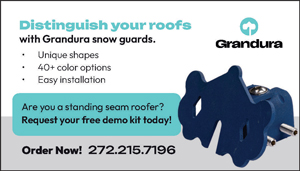
Grandura, a manufacturer of stamped-aluminum snow guard systems, built its product line around that complaint, offering standard and custom snow guard designs in more than 40 powder-coated colors meant to complement a roofline rather than clutter it. Cupolas and weathervanes remain the classic finishing touch on agricultural and residential metal buildings — small-footprint. These high-visibility accessories read as craftsmanship even though they add little to the structural bill of materials.
Panel Profiles and Color as a Design Tool
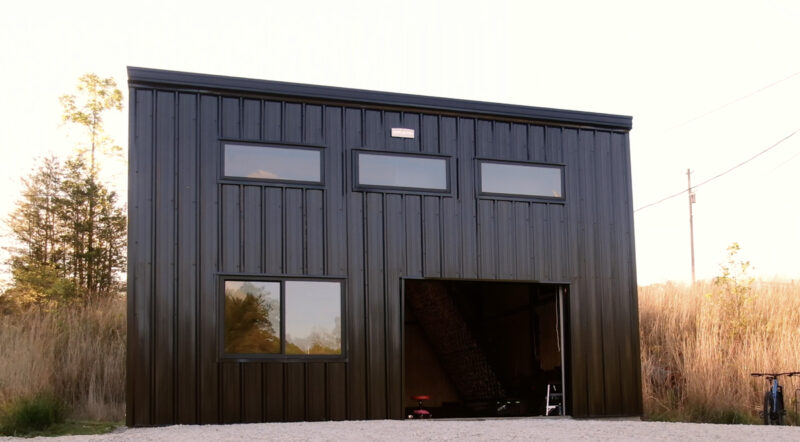
Color and profile selection is still the single biggest lever a builder has over how a finished building reads to the customer. Board-and-batten profiles, in particular, have found a strong following on residential and light-commercial jobs where customers want a metal building that doesn’t look like a warehouse.
Everlast Roofing manufactures its Everlast II panel in a board-and-batten pattern, available in a wide range of factory colors, for agricultural, industrial, and commercial siding and roofing applications where builders want a distinct, structured look alongside a full line of matching trim and accessories.
Keeping the Finish Looking Finished
A cosmetic upgrade is only as good as its long-term appearance, so touch-up and repair products belong in the same conversation as trim and fasteners. Field damage — a dropped tool, a scuffed corner during erection — is inevitable on any job site, and how a builder handles it afterward affects whether the customer remembers the building as flawless or as “the one with the scratch by the door.”
Coil Spot, which supplies rollformers and builders with coil, cut-to-length soffit, and Wildcat Fasteners under one account, has built its growth strategy around giving fabricators a single source for the accessory categories — soffit, fasteners, sealants — that otherwise require juggling multiple vendors and lead times on a single job.
The Bottom Line for Builders
Cosmetic accessories and components rarely show up as a dramatic line item on a bid. Still, they’re disproportionately responsible for how a finished building is judged — by the customer standing in the driveway, and by the next prospect who drives past. Builders who treat trim, fasteners, roof accents, and color consistency as design decisions rather than afterthoughts tend to be the ones whose finished buildings do the marketing for them.
Sources & Resources
- Marion Manufacturing: – marionmanufacturing.com
- Aztec Washer Company: – aztecwasher.com
- Coil Spot / SpeedLap / Wildcat Fasteners: – coilspot.com
- Grandura: – grandura.com
- Everlast Roofing – everlastroofing.com
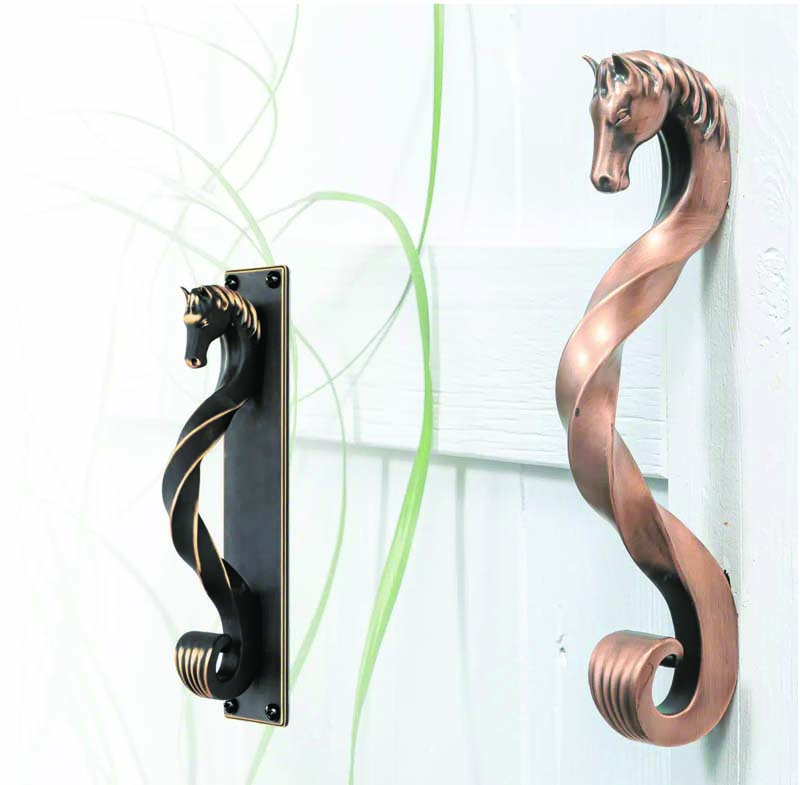
- J&E Grill – horsebarnsupplies.com
- ASCO Machines – asco-machines.com/