An Increasingly Popular Solution for Construction Challenges
Insulated metal panels (IMPs) are wall and roof panel structures composed of steel or aluminum skins with an insulated core of rigid foam or mineral wool. These all-in-one prefabricated systems offer many advantages over traditional construction methods that require multiple components to be assembled sequentially on site.
Advantages of IMPs
IMPs have been used in construction for decades but are growing more popular because they provide a number of increasingly important advantages, such as reduced need for skilled labor and lower total man hours; compressed project timelines; manufacturing quality control; structural benefits; greater energy efficiency; wildfire resistance; and design flexibility.
IMPs are an especially strategic choice for metal building roofs, in addition to walls. “When insulated metal panels are used for both a building’s roof and walls, it further increases the efficiency to build and structural benefits for the facility,” said Matt Broton, Vice President of Sales at FALK Panel.
Less Skilled Labor and Fewer Total Man Hours Needed
IMPs arrive at the construction site ready to be installed, which means on-site work is greatly reduced compared to traditional construction. With the precision component assembly work already completed offsite, the onsite labor requires less skilled workers, which translates to lower labor costs.
Also, fewer total man hours are needed. According to the Metal Construction Association’s Selection Guideline for Insulated Metal Panels, panels can be installed very quickly. The document states that “Depending on job complexity and size, IMPs can be erected at a rate of up to 5,000 sq. ft. per 8-hour shift by a four-man crew on an industrial project and up to 1,100 ft2/8-hour shift by a four-man crew on an architectural project when proper lifting equipment is used. Higher installation rates can be achieved with insulated metal roof panels.”
Compressed Project Timelines
Since the panels are prefabricated, much of traditional onsite scheduling and coordination of various trades isn’t needed. This means the building can be enclosed much faster than a traditional build, allowing work on the interior to begin sooner. Interior work can progress without being interrupted by weather conditions, further speeding the construction timeline. “IMPs present an efficient construction solution, particularly well-suited for projects with accelerated timelines, challenging weather conditions, or when coordination with other trades is required during installation,” said Brian Ng, AWIP VP of Engineering.
Manufacturing Quality Control
Because the panels are prefabricated in an indoor, climate-controlled environment, it’s easier to achieve consistent results and have better quality control. Compared to the field conditions on a construction site, the factory-like setting allows for stable temperatures, humidity, and lighting, as well as more consistent supervision and training, less material waste, and more protection from the elements and from damage while stored.
“IMPs are produced under stringent quality standards,” Broton explained. “At FALK, quality testing happens throughout the entire production process — and every project that rolls out the door undergoes thorough testing and quality checks.”
Structural Benefits
IMPs’ sturdy layers contribute stiffness and enhance structural strength. Plus, their weather-resistant composition and design provides an effective water, moisture, air, and vapor barrier, while the panels’ large size reduces the number of seams and vulnerability to leakage. Also, IMPs need less ongoing maintenance, which can add up to significant savings over the long-term.
Greater Energy Efficiency
IMPs are especially known for being energy efficient, which is why they’re often the product of choice for cold-storage facilities and structures that require high standards for energy efficiency, such as churches, offices, schools, hospitals, manufacturing plants, data centers, and distribution facilities.
IMP INSTALLATION TRAINING
While IMP installers don’t need to hold the licenses that some skilled trades need years to earn, they may require some brief training so they can install IMPs properly. For example, AWIP requires builders who install its panels to undergo a one-day training session to become an authorized installer. This ensures they have the skills needed to do the job properly. Ng explained in more detail: “AWIP provides IMPpro installer training courses, where you can become an authorized installer for wall, roof and roof deck IMPs. These training sessions are offered at our three facilities located in East Stroudsburg, Pennsylvania; Little Rock, Arkansas; and Vacaville, California.
“IMPs offer R-values up to 8.0 per inch and continuous insulation,” said Karim Muri, VP of Marketing Services and Strategy Development at Kingspan Insulated Panels North America. “This thermal efficiency minimizes the need for excessive heating or cooling, which helps to keep building occupants comfortable, protect products being stored or shipped, and lower operational energy costs.”
Although the initial costs of IMPs are higher, they can reduce long-term energy expenses to help offset the initial investment, which makes them attractive to building owners.
Wildfire Resistance
IMPs insulated with mineral wool rather than foam are designed to provide extra fire protection. This issue of vulnerability to wildfires grabbed national headlines in January 2025 when 14 massive wildfires burned more than 57,000 acres, destroyed over 18,000 structures, and caused at least 30 deaths in the Los Angeles area.
Design Flexibility
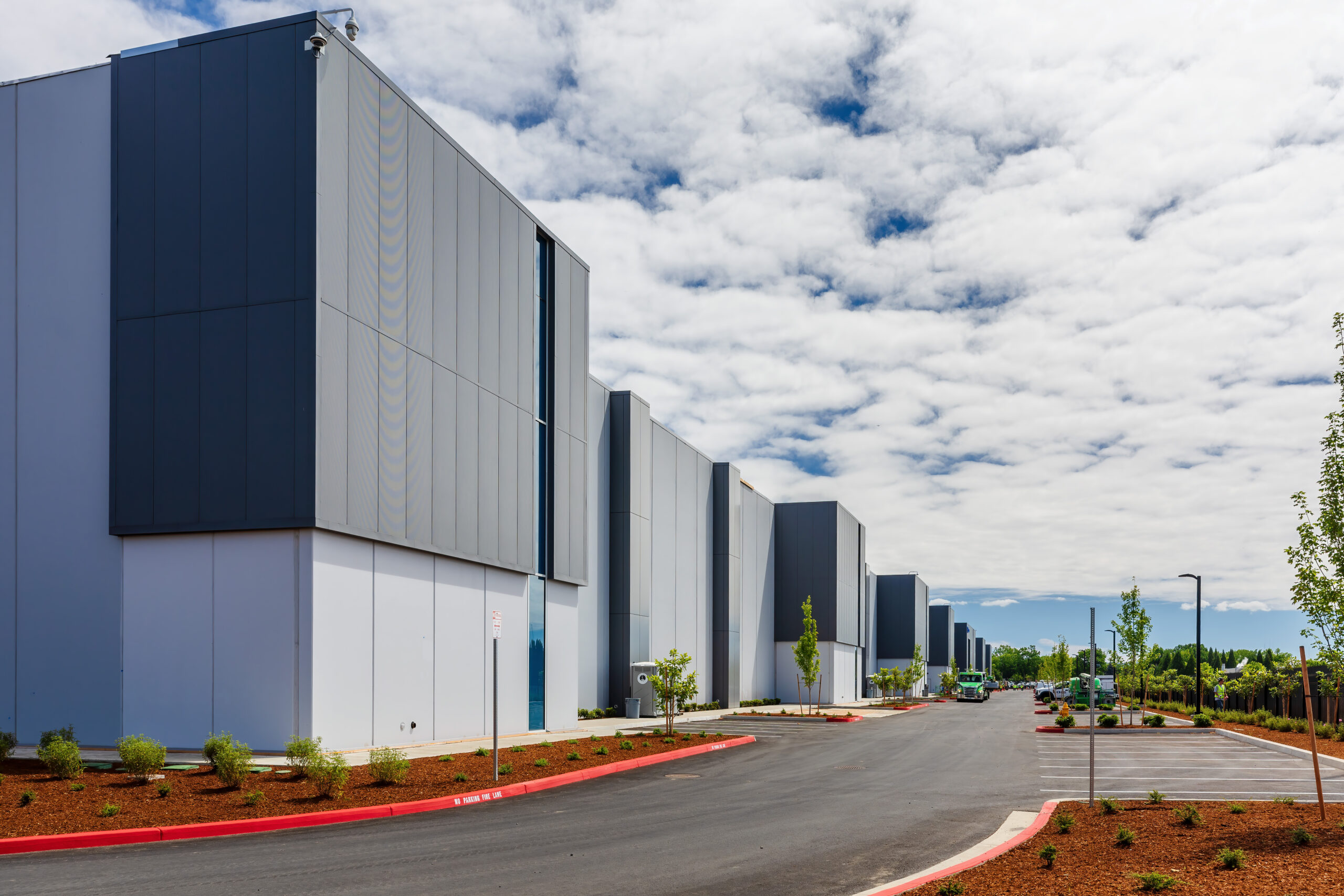
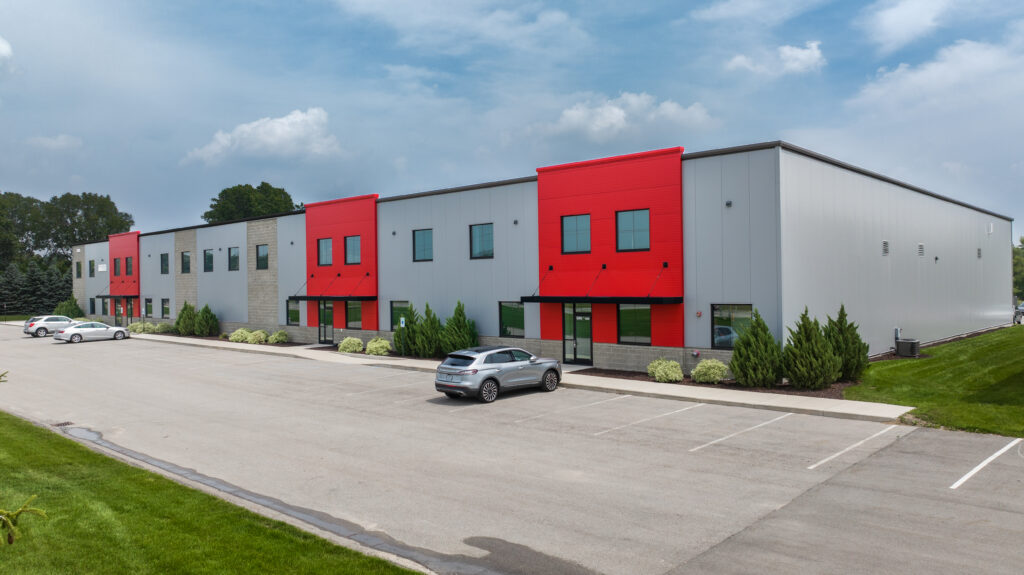
IMPs are available in many textures, colors, and finishes, and can be installed horizontally or vertically to achieve the visual effect desired.
“IMPs of the past were typically only available in limited hues and styles, but panels today allow architects and building owners to tap into virtually endless design possibilities,” Muri said. “A variety of standard and custom colors can be chosen to create unique looks that align with a brand’s identity and complement a location’s aesthetic. Ribbed panels can be used to add accented lines and shadow effects to projects. Kingspan also has its Accent Fin products, hollow and protruding accents that seamlessly integrate with our IMPs to elevate facades.”
In addition, IMPs are compatible with other cladding options — such as stone, brick, fiber cement, and vinyl, as well as other metals — to complement and enhance the overall design.
Conclusion
More builders are turning to IMPs as a solution to current construction challenges. Two of the biggest are labor shortages and long build times. IMPs greatly reduce these two problems and improve many others as well. Ng summed up the advantages of IMPs over conventional methods: “IMPs offer advantages that extend beyond construction efficiency. Their superior thermal performance contributes to long-term energy savings, while the cost-effectiveness and streamlined installation process make them an attractive solution for both builders and owners seeking performance and value.”