
Originally Published as: Metal to Metal Fasteners: Your Guide to Tough, Lasting Connections in 2026
If you build steel frames, corrugated panels, or heavy assemblies, you know lasting success depends on using the right fasteners. The right metal-to-metal fastener is the difference between years of reliability and early failure due to stress, weather, or vibration.
As we look ahead to 2026, the options for fasteners continue to evolve. New coatings, stronger alloys, and improved installation methods are changing how we build. Yet, despite these advancements, choosing the right fastener remains crucial. So, how do you navigate the choices? We asked industry experts who live and breathe fasteners to share their knowledge.
Know Your Fastener Types
Before you buy, understand what you need:
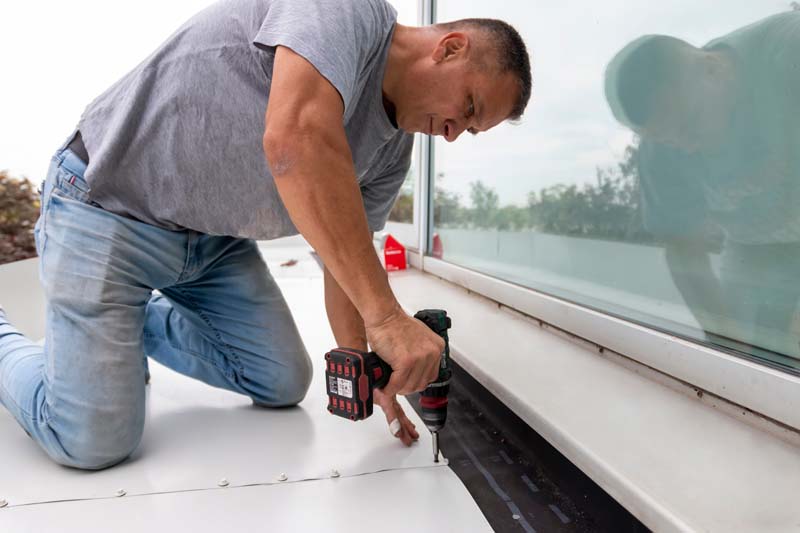
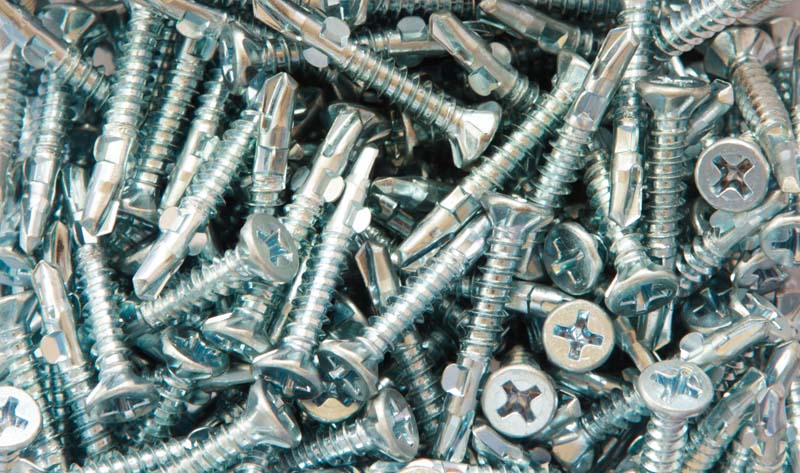
Self-drilling screws: These save time by drilling their own hole and creating threads without pre-drilling. Use them for steel framing and metal roofing.
Hex head cap screws: These heavy-duty fasteners have a hexagonal head and are used for strong structural connections where resistance to shearing and pulling apart is important.
Blind fasteners (e.g., rivets): Fasteners that can be installed when access is only possible from one side of the workpiece, often used in trim and panel connections.
Threaded anchors and bolts: Fasteners designed to secure steel parts to concrete or masonry by threading into a drilled hole.
Key Considerations for 2026 Projects
Corrosion Resistance Is Non-Negotiable – Rural builders face mud, fertilizer, humidity swings, and salt exposure in winter. Fasteners with advanced coatings or stainless alloys dramatically extend service life — especially on exterior steel.
Tensile Strength vs Shear Strength – Understand where your load goes. Tensile strength prevents pulling apart, while shear strength prevents sliding failure. Your engineer or supplier should help match ratings to loads.
Pre-Drill vs Self-Drill – Self-drill screws speed up assembly on thinner-gauge materials. For thicker steel, pre-drilled holes help precise alignment and reduce fastener wear.
Tool Match-Up Matters – Battery-powered impact drivers, screw guns with adjustable clutches, and torque wrenches ensure consistent installation. Ask your supplier which tools pair best with the fasteners you choose.
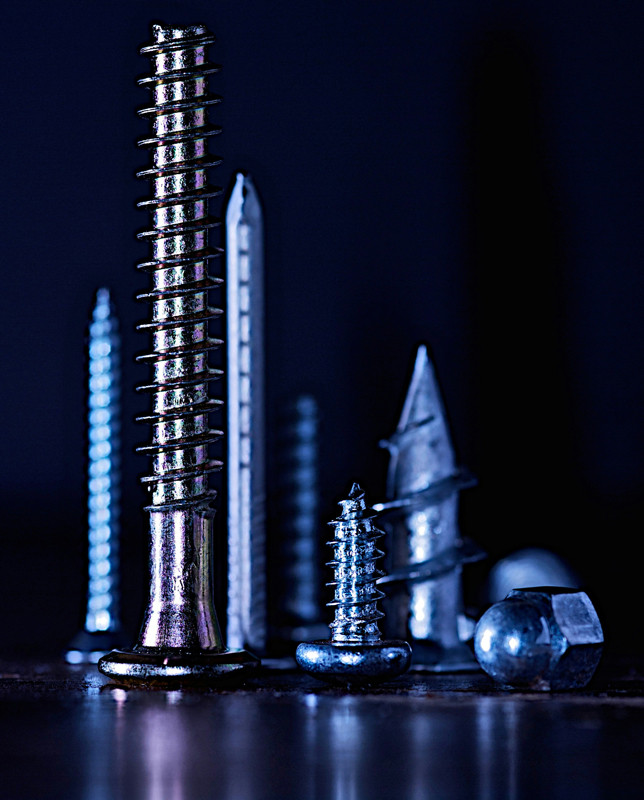
Inventory Smartly – Avoid the dreaded “fastener spaghetti” in your box — too many sizes, lengths, and head types. Standardize where possible to streamline builds and reduce waste.
Final Nuts and Bolts
Metal-to-metal fastening may not be glamorous, but it’s essential. With the right fasteners, matched to your project and installed properly, your builds withstand the elements year after year.
Get the details right, and your projects will stand strong long after the work is done.
Work Smarter with Trusted Partners
Building the right way means choosing fasteners and support you can trust. These resources stand out in 2026 for quality, availability, and technical expertise:
Dynamic Fastener — field-tested solutions and expert guidance.
Triangle Fastener Supply — deep inventory and coating expertise for long-lasting builds.
East Coast Fasteners — dependable supply and specification support for professional crews.
Golden Rule Fasteners — practical installation advice and quality products you can count on.