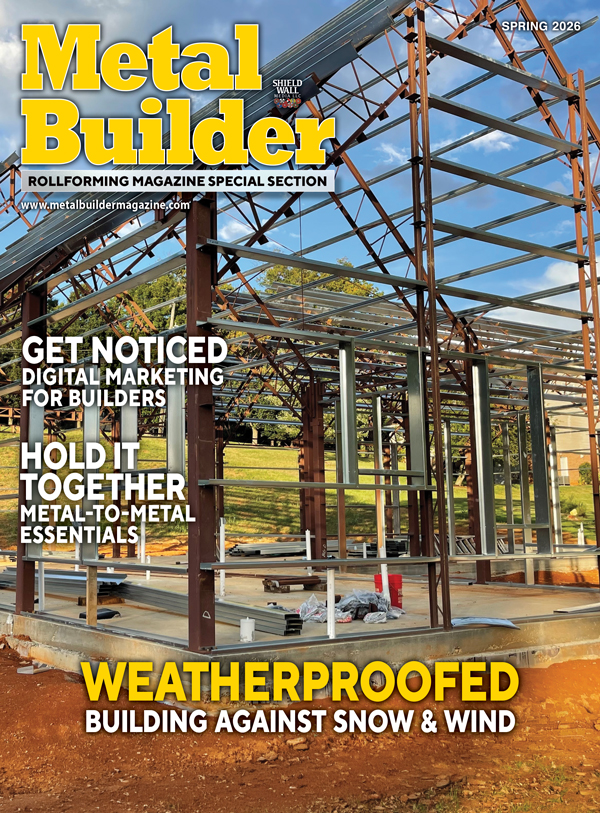

Originally Published as: Adaptations in Engineering: to Meet Snow and Wind Loads in Metal Buildings
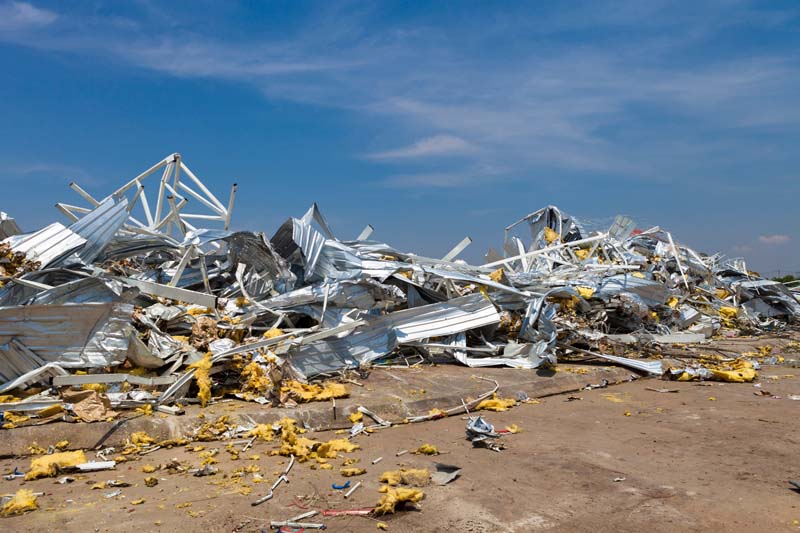
Extreme weather, like the 2023 Buffalo winter storm that caused roof collapses from heavy snow, has made snow and wind loads a major concern for metal buildings. Such events highlight the importance of designing structures to withstand severe conditions efficiently and economically.
Modern engineering improves building resilience with updated codes, optimized framing, advanced modeling, and stronger connections—enhancing performance without just adding more steel.
Code-Driven Design
Updated codes like ASCE 7 guide metal building engineering, establishing design loads for wind, snow, and other forces based on weather data and research.
Recent code revisions require stronger roofs and bracing in areas with high wind and snowdrift, leading engineers to reinforce panels and purlins where needed.
Instead of heavier materials, engineers target reinforcement at stressed areas like roof transitions and drift zones to meet codes efficiently.
Framing and Roof System Improvements
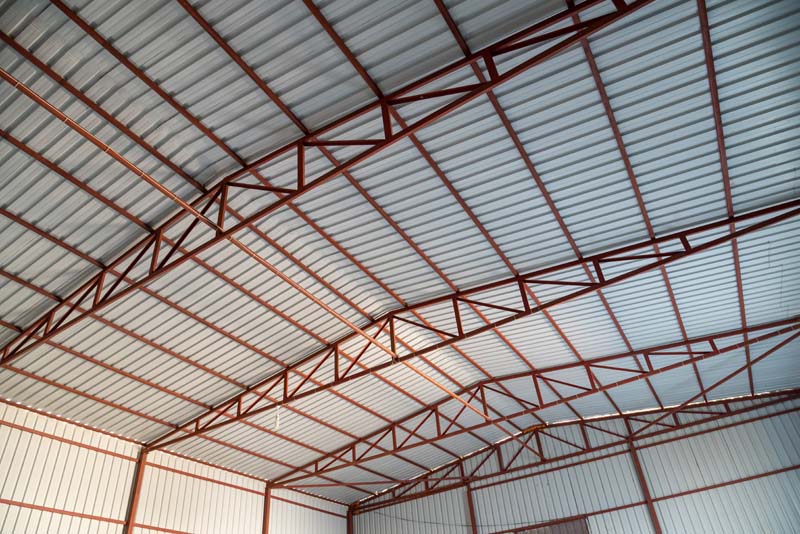
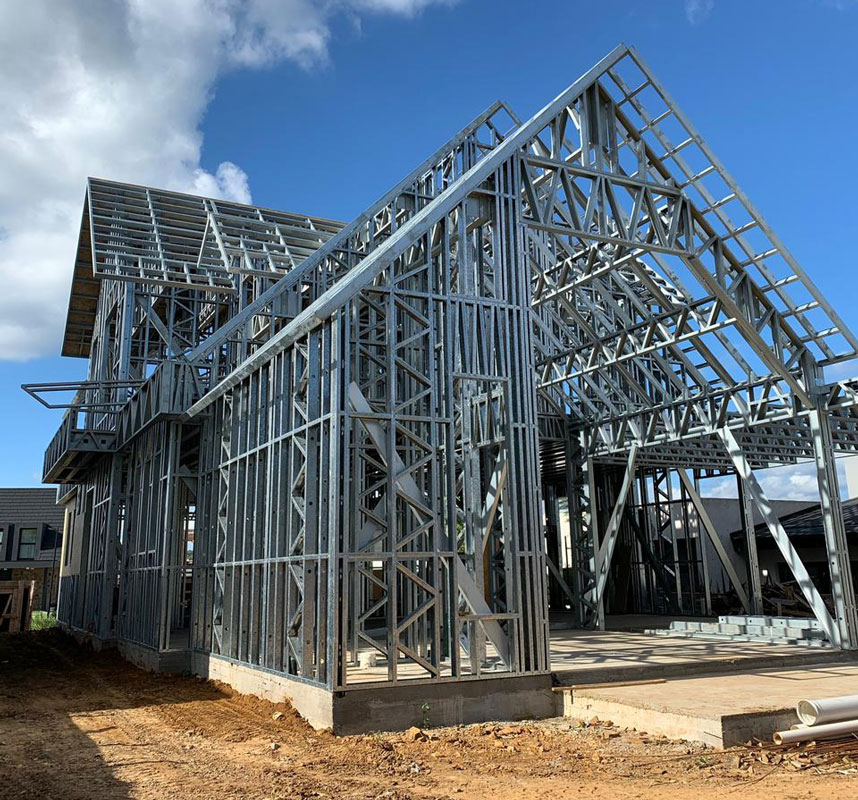
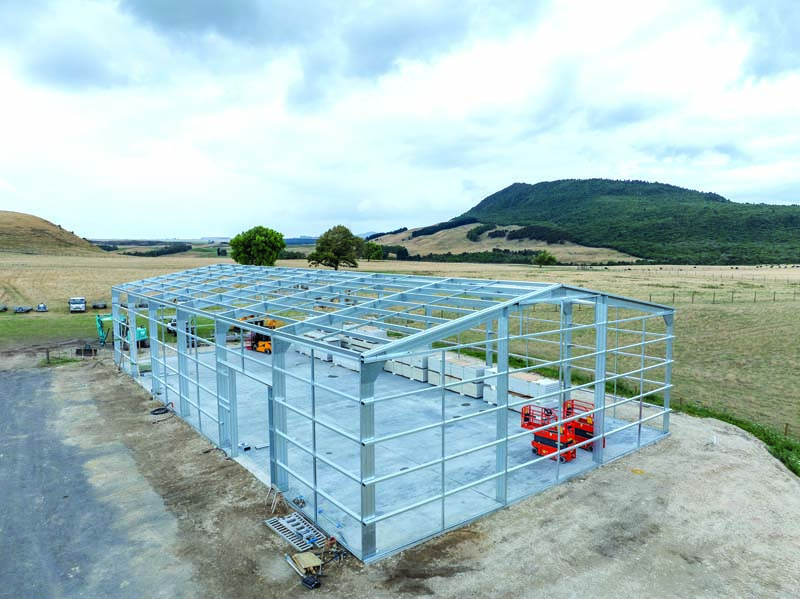
Structural framing improvements, especially tapered members, have boosted metal buildings’ resistance to heavy loads.
Tapered columns and rafters strengthen critical areas while reducing unnecessary material, often cutting steel use by 15–25% without sacrificing strength.
Optimized frame spacing helps distribute loads, especially in areas with heavy snowfall or drifting.
Modern purlins use thicker steel and shorter spans for greater stiffness and load capacity. Some designs also feature steeper roof slopes to shed snow.
Finite Element Modeling
Advanced engineering software has transformed the design of metal buildings. One of the most valuable tools is Finite Element Modeling (FEM), a computer simulation method that allows engineers to predict how structures will respond to different forces before fabrication begins.
FEM divides a building structure into thousands of small elements and calculates how each component reacts under specific loads. Engineers can simulate heavy snowfall, wind pressure, and wind uplift to observe how stresses move through the building frame.
This helps identify weak points early and refine designs digitally, reducing the need for costly prototypes.
Designing for Wind Resistance
High-wind events—from severe thunderstorms to hurricanes—have driven improvements in metal building design. Past failures often occurred when roof systems or connections could not effectively transfer wind loads to the building frame and foundation.
Modern buildings address these risks through hybrid bracing systems—structural elements that provide support in multiple directions, rigid end frames that resist lateral loads, and moment-resisting connections that prevent rotation. Roof and wall panels also contribute structurally when designed to act as diaphragms, transferring wind loads across the building to the foundation.
Stronger Connections
Connections remain one of the most critical components of a metal building’s structural performance. Modern designs increasingly rely on bolted slip-critical connections, which are bolted joints in which loads are transferred primarily by friction between the connected surfaces rather than solely by the strength of the bolts.
These joints resist wind uplift and maintain stability during repeated snow and wind loads.
Building for Resilience
Engineering for snow and wind loads keeps evolving with new technology and lessons from weather events. Updated codes, framing, modeling, and better connections make metal buildings stronger and more efficient.
As extreme weather increases, these engineering strategies will be vital for protecting buildings and communities.