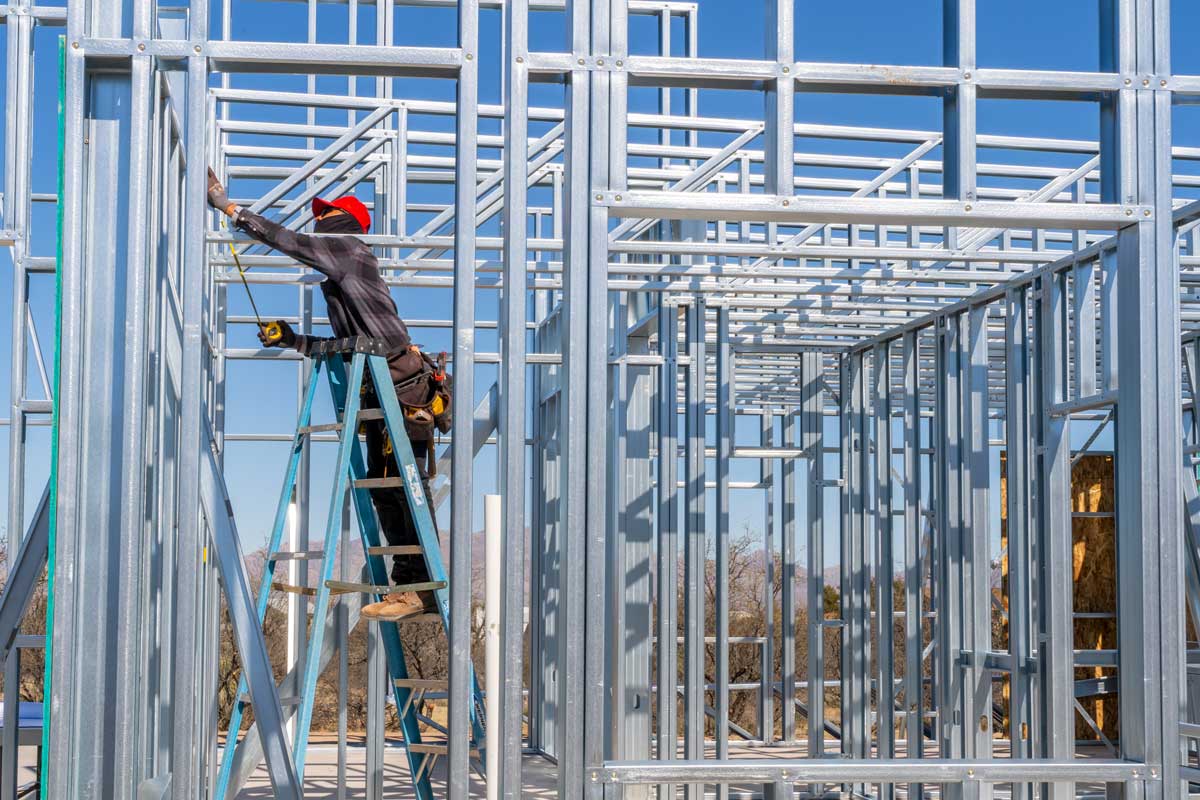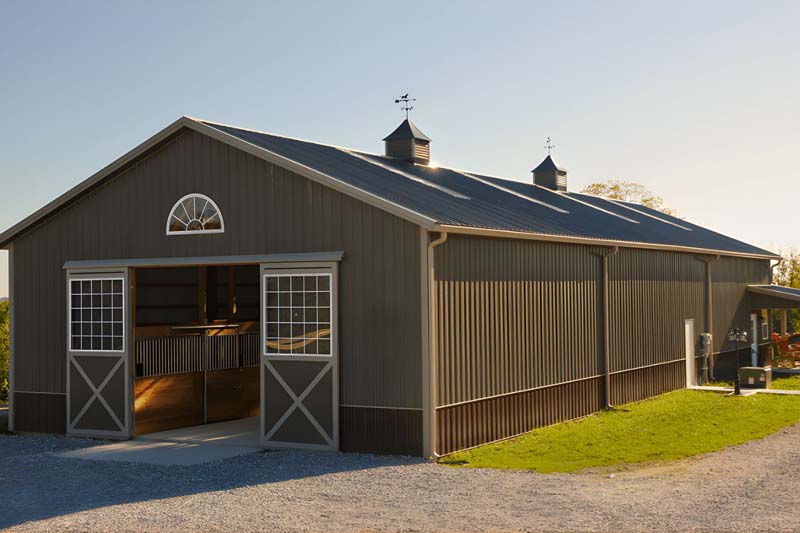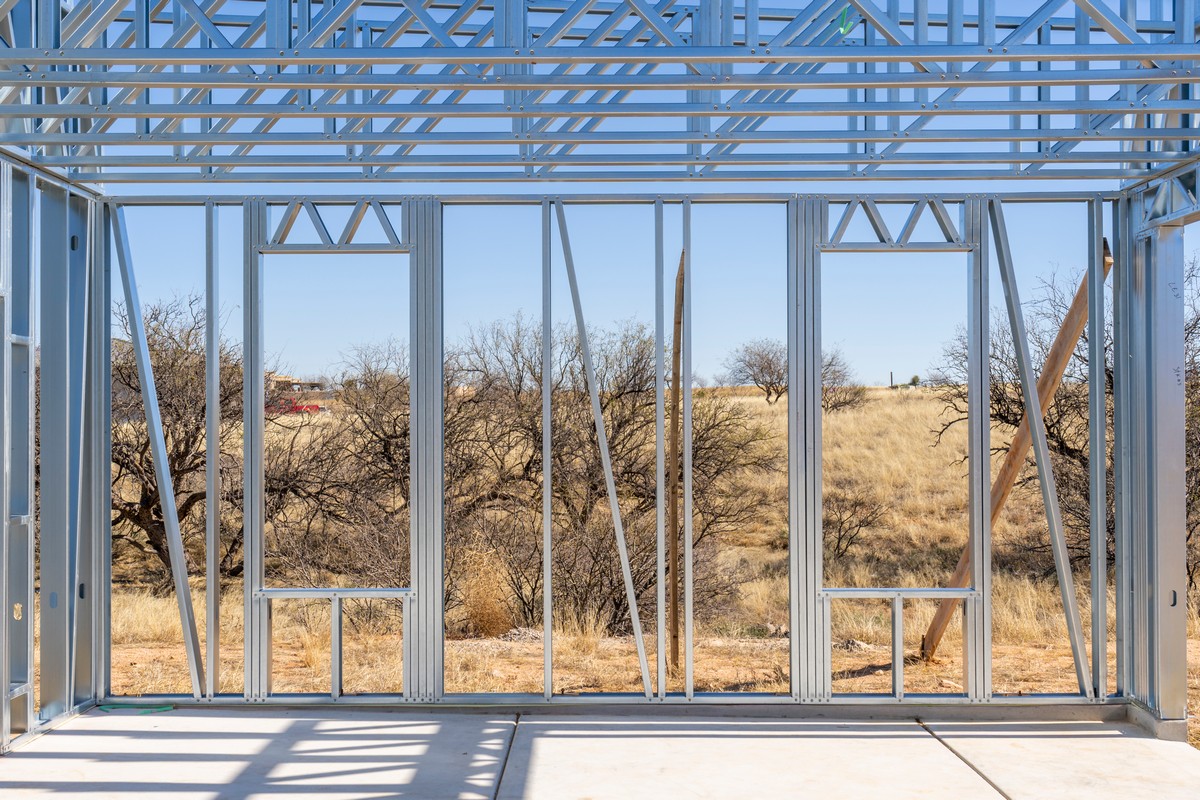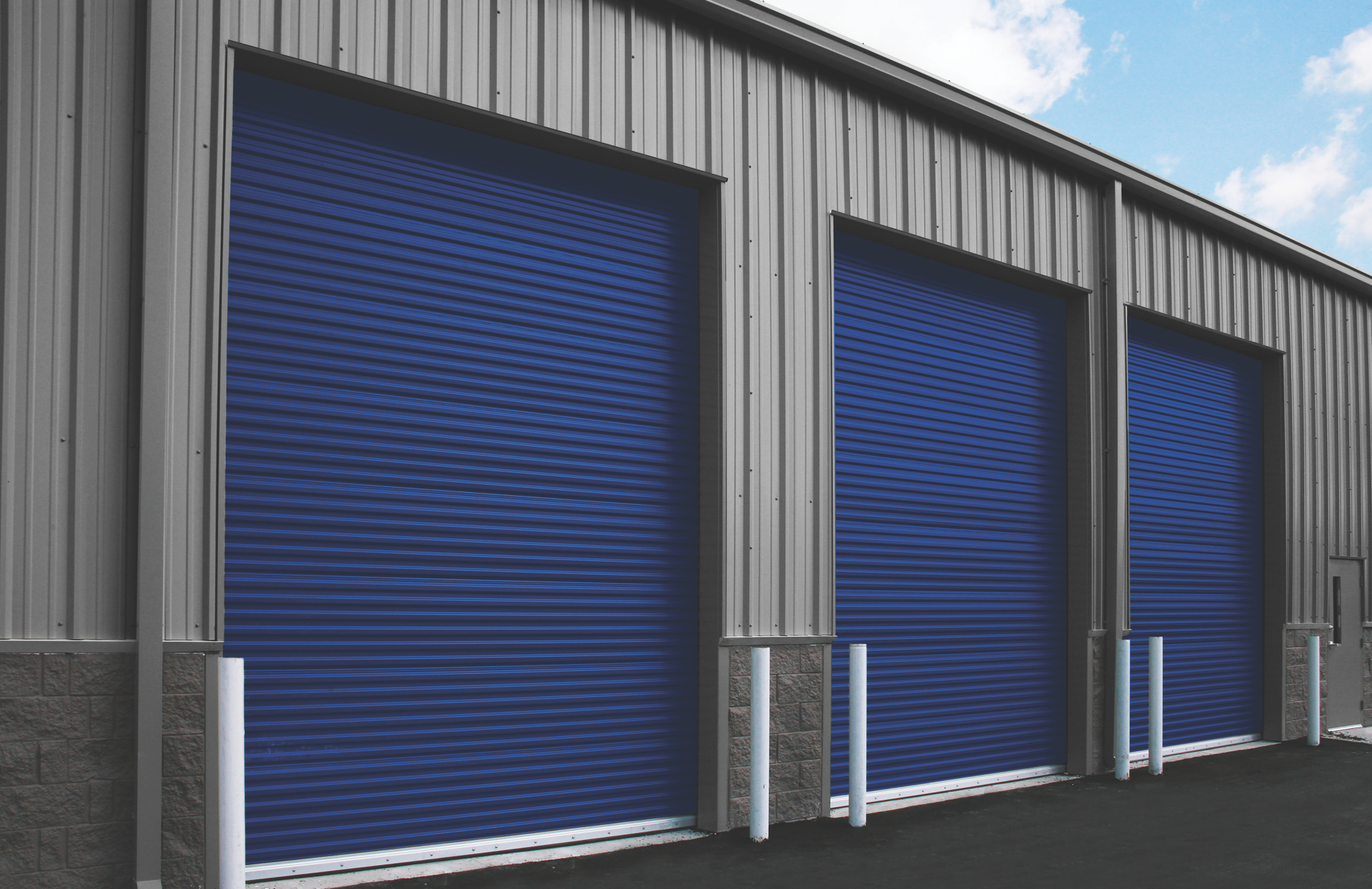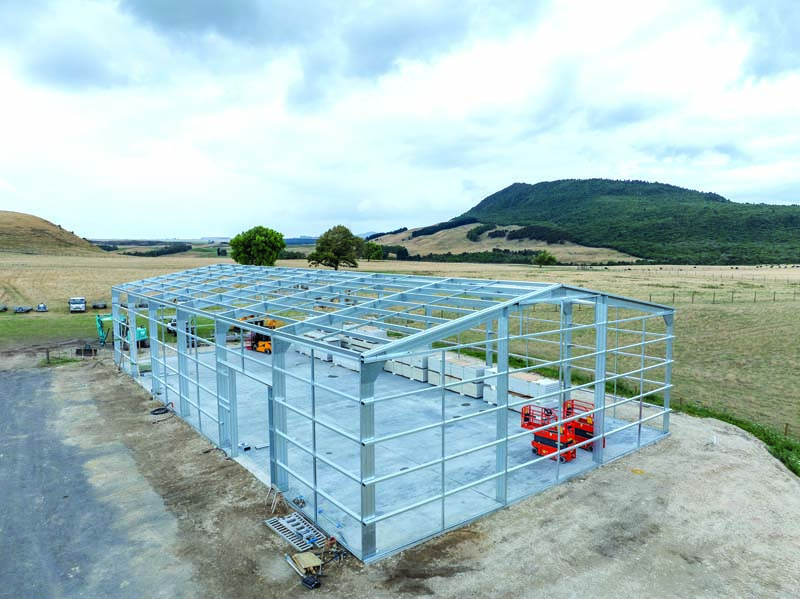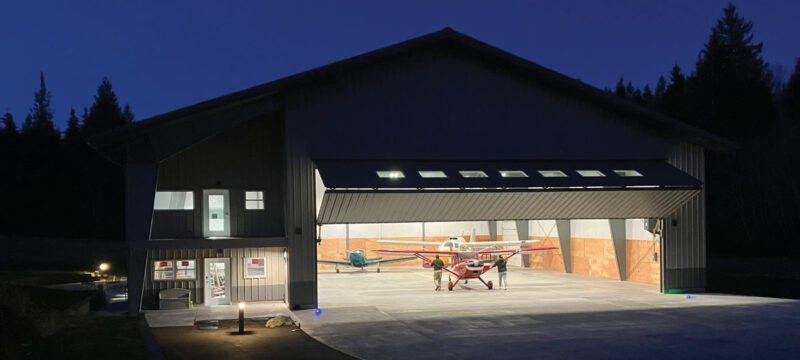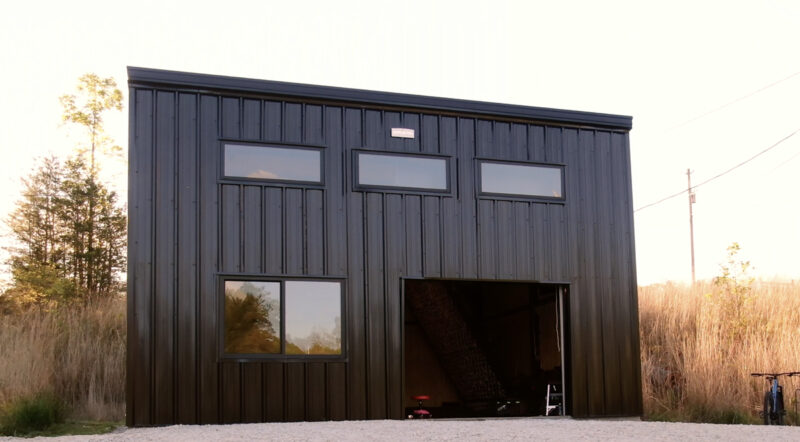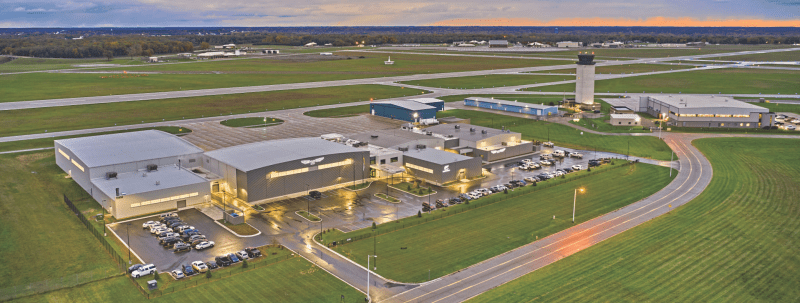

As hybrid construction practices continue to evolve, builders are working with a wider variety of materials than ever before. One of the most important trends is the pairing of metal building framing systems with non-metal structural wall panels — such as structural insulated panels (SIPs), insulated concrete forms (ICFs), engineered wood, and composite wall systems.
While these panelized systems offer unique advantages in energy performance, speed, and cost, they also require thoughtful coordination when integrated with metal framing. From fastener compatibility to structural behavior, the connection points between materials are critical for long-term performance. With more projects now combining these systems to meet energy codes, reduce labor, or speed up timelines, understanding how to bridge the gap between dissimilar materials is more important than ever.
At Cornerstone Building Brands, we’ve seen how versatile metal framing systems — when engineered and installed properly — can be effectively integrated with nearly any wall type, including non-metal panel systems commonly used in industrial, commercial, and rural projects.

Understanding the Systems: A Material Mismatch That Can Work
Non-metal wall panels behave very differently than structural steel. SIPs and ICFs, for example, deliver impressive insulation values and support modular construction but offer less rigidity than metal frames. Engineered wood or composite panels may be easier to source or install, but they interact differently with fasteners and framing under thermal or structural loads.
The good news? These differences aren’t a limitation — they’re just a design consideration. With proper detailing, metal framing systems can be reliably connected to most of these materials in a way that maintains code compliance and performance expectations. But doing so requires teams to think beyond just structural loads and consider movement, moisture, and connection detailing across the building’s lifecycle.
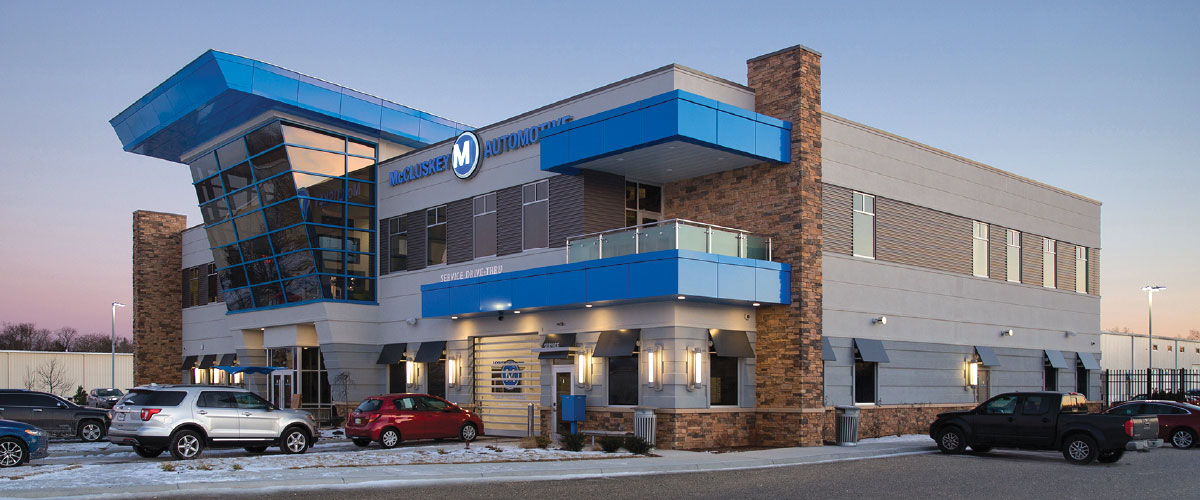
Blended Materials: Architectural finishes including EIFS, ACM panels, and tall stone columns transform this office space into a bold design statement — while still relying on a steel-framed building system at its core. Image courtesy of Cornerstone Building Brands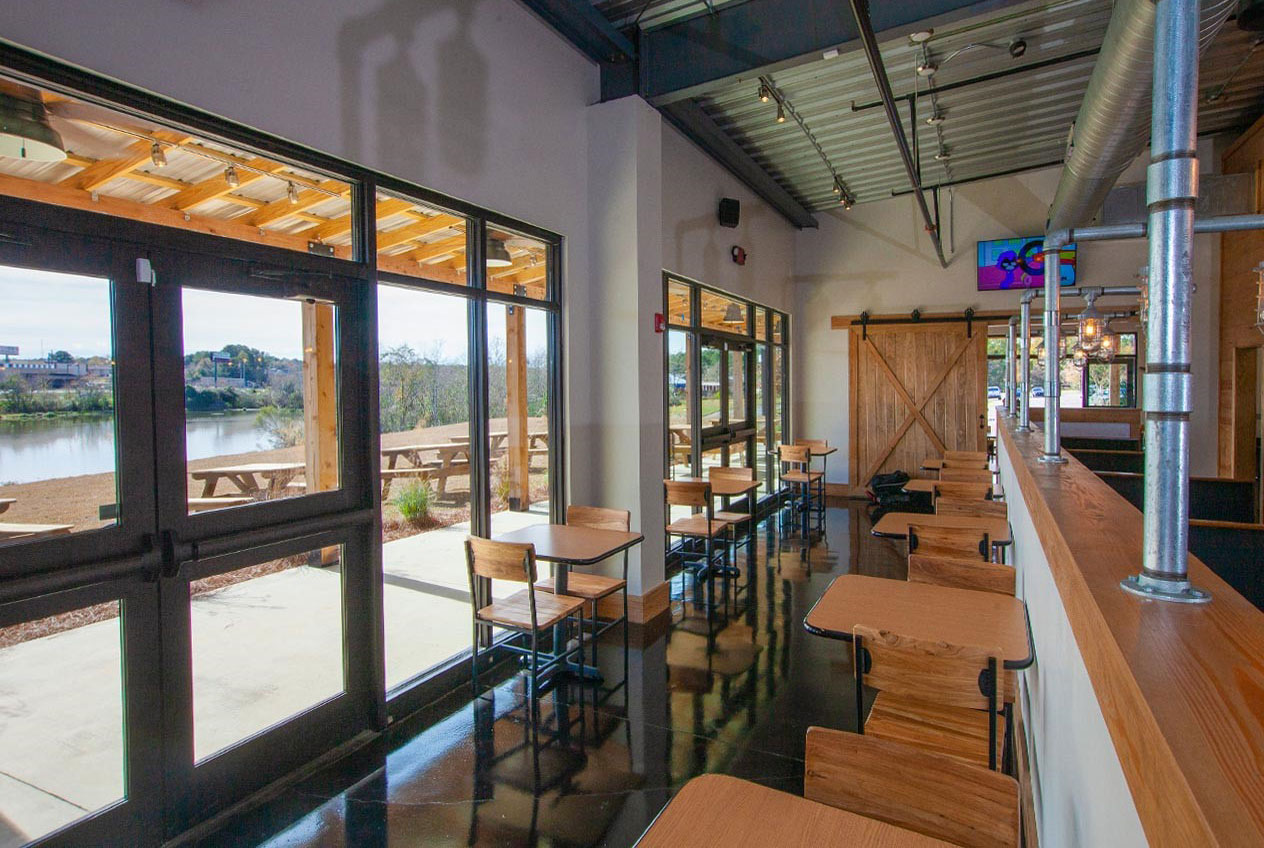
Interior of the Catfish House. The desine seamlessly blends various materials into a strikingly beautiful, unified whole. Image courtesy of Cornerstone Building Brands
Fastener Selection and Connection Strategies
One of the most immediate challenges on hybrid projects is fastener compatibility. Metal framing often relies on self-tapping or high-torque screws, but those don’t always work with foam-core SIPs, cement board, or wood-based sheathing. In some applications, fasteners may over-penetrate or fail to grip if the substrate lacks structural reinforcement.
In these cases, alternate fastening strategies — such as clip angles, connection plates, or hybrid fastener systems — are necessary to create a durable and reliable load path. Reinforced attachment zones may be required in SIPs or ICFs, especially where structural loads need to be transferred into the steel frame. Additionally, engineers must consider edge distances, sheathing thickness, and fastener pull-through resistance.
Design teams should verify that fasteners and connection methods are compatible with both systems by referencing approved details, manufacturer guidelines, and engineering requirements. It’s also important to clearly document those selections in construction drawings to avoid errors during installation.
Managing Movement and Moisture
Unlike steel, non-metal wall panels expand, contract, and flex with changes in humidity and temperature. Without the right detailing, this differential movement can lead to cracks, joint failures, or air and water intrusion. Framing systems must be designed to accommodate movement while maintaining structural integrity.
Common strategies include:
• Slip joints or slotted connections at panel-to-frame transitions
• Thermal breaks to reduce condensation and thermal bridging
• Flexible sealants and barriers that maintain continuity between materials
Moisture control is especially important with organic or foam-based panels. SIPs, ICFs, and wood-composite systems can be vulnerable to degradation if exposed to prolonged moisture. That’s why detailing around openings, corners, and foundation transitions is so important in hybrid systems. Flashing, air barriers, and drainage planes should be planned with both the metal and non-metal materials in mind.
Layout, Tolerances, and Structural Planning
Most non-metal panel systems are prefabricated off-site, meaning they arrive at the job with little room for adjustment. That places a premium on layout precision during framing. Even slight framing misalignments can delay installation or result in costly field modifications.
Critical areas for review include:
• Bearing plate alignment and spacing
• Coordination around windows, doors, and corners
• Consistent tolerance allowances for pre-drilled or prefabricated panel connections
It’s also important to account for load transfer between systems. For example, if the wall panel is carrying lateral loads into the steel frame, engineers must confirm that bracing, shear connectors, or tie-backs are designed and detailed correctly.
Field Tips for Successful Hybrid Installations
On-site success comes from planning, communication, and training. Some field-proven best practices include:
• Involving both the framing and panel suppliers early in the design phase
• Clarifying connection details in structural and architectural drawings
• Ensuring installation crews are familiar with fastener types, spacing and sealant requirements
• Using mockups or pre-install test bays to identify issues before full installation begins
Hybrid construction works best when it’s treated as a coordinated system — not a patchwork of components.
Looking Ahead: More Hybrid Projects on the Horizon
The rise in energy-efficient buildings, modular construction, and labor-saving strategies means hybrid wall systems are becoming more common — not less. Builders are seeking options to achieve flexibility, speed, and lasting performance. Metal framing combined with panelized non-metal walls can offer solutions for many applications.
Future innovations in panel design and attachment hardware may make this integration even easier. Still, success will depend on the basics: precision detailing, moisture control, and close coordination across teams.
Final Thought: Versatility Starts with Smart Coordination
The modern jobsite isn’t limited to just one material. With the right planning, metal building framing can connect seamlessly to a wide range of non-metal structural panels, delivering lasting solutions for everything from rural buildings to large-scale commercial developments. Working with the right partners and coordinating early can help identify the most effective connection strategies even when working with panel types outside the manufacturer’s scope.
Collaboration and thoughtful detailing are key to making these systems work together in the field. Because in the end, it’s not just about what materials you choose — it’s about how well they’re engineered to work together. MB
Tori Smejkal is Director of Product Marketing at Cornerstone Building Brands (cornerstonebuildingbrands.com). Her product development and customer experience background supports a holistic approach to metal building product marketing strategies for commercial and residential building customers.